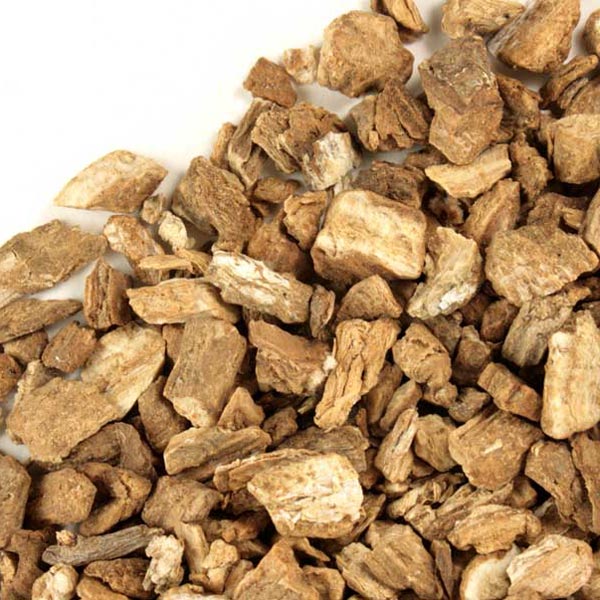
This cut and sifted root, originating from Albania and Germany, is botanically noteworthy for its composition of beneficial compounds, including mucilage, acetylenic materials, and bitter guaianolides.
Physical Attributes
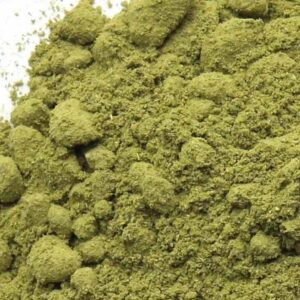
The product has a fibrous, wood-like texture and does not possess a strong scent. Its taste is characterized by being mildly pungent but also carrying a subtle sweetness, making it a desirable complement to other bitter herbs.
Applications
-
For the Kitchen: The dried, chopped root is versatile for cooking; it can be integrated into warm tea mixtures, or simply added to simmering soups or slow-cooked braised foods.
-
External Care: When the root is boiled (decocted), the resulting liquid can be utilized to make skin washes and compresses (poultices).
-
Supplementation: The root material is also suitable for being put into capsules as a standalone supplement or combined with other botanical ingredients.
Historical Note
Though not native to North America, various Indigenous tribes, including the Ojibwa, revered this herb. It was famously included in a traditional preparation that later served as the basis for the well-known Essiac tea formula.
Storage and Safety
Keep this item in a sealed container, protecting it from light, heat, and excessive moisture. Due to its action as a diuretic (increasing urine flow), individuals with pre-existing kidney or digestive tract problems should use this herb with careful consideration.
Reviews
There are no reviews yet.